20 Things I wish I Knew Before Buying my First Investment Property
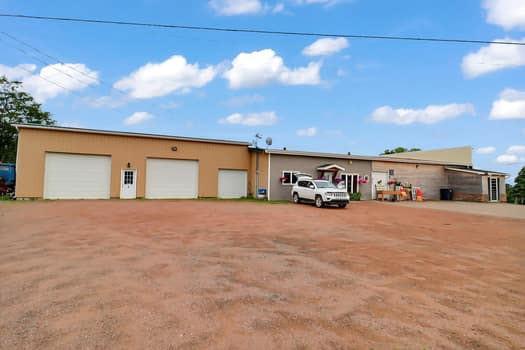
As a Realtor of four years and someone who previously managed more than 200 rental units, I thought I had seen it all. But buying my own mixed-use investment property opened my eyes to an entirely different reality. The surprises, setbacks, wins, and lessons were far beyond what any course or job could have prepared me for.
If you’re considering buying an investment property in New Brunswick, especially a multi-unit or mixed-use building, here are 20 things I wish I knew before starting the journey.
The down payment is not always 20 percent
For years, clients asked me about down payments, and I confidently explained the rules for residential homes. But commercial and mixed-use financing is a different world. Some banks wanted 20 percent, others demanded 35 percent strictly because the property had both commercial and residential components. The difference can mean tens of thousands of dollars more than you expect. Always speak to several lenders early.
You can use a line of credit as a down payment
This shocked me. For commercial deals, lenders are often more flexible with creative financing. Using a HELOC or personal line of credit as a down payment isn’t unusual. The loan still needs to make sense financially, but knowing this option exists can unlock opportunities you thought were out of reach.
Commercial appraisals cost far more than residential
A typical home appraisal is often arranged and paid by your lender, but commercial appraisals are not included. Mine cost more than $3,500 plus tax, and the timeline was longer. Budget for this early so you aren’t scrambling when the bank suddenly requests it.
Inspection costs rise quickly with multi-units
A six-unit building doesn’t simply mean one inspection. It means six units, a roof, foundation, electrical, plumbing, and often a commercial space with its own requirements. This was one of the largest upfront expenses, but also one of the most important.
The process is significantly longer
This deal started in June and closed on Christmas Eve. Six months of back-and-forth, paperwork, bank requests, and delays. Because the rents were six years behind market value, we had to get signed rent increases, new leases, and proof of income before the bank would finalize the deposit amount. We didn’t even have the money secured yet. Nothing about commercial deals is fast.
You can buy without using much of your own money
This is where creativity matters. I found a partner who had equity in his home. The bank approved a HELOC, which then served as the down-payment funds. The money came from the line of credit, and that was enough to satisfy financing. High interest, yes, but it allowed us to structure the deal with almost no personal cash.
Insurance issues can delay or complicate closings
Two weeks before closing, the property suffered $20,000 worth of water damage from a pipe burst. The insurance claim could not be transferred to us as buyers. My lawyer held back $20,000 in trust to protect us. The seller had to make arrangements with insurance, and once the payout came, we chose to take the funds and manage the repairs ourselves. A stressful situation, but it worked out because proper legal protection was in place.
Small communities talk more than you think
The building is between Shediac and Cap-Pelé. Somehow, without ever posting a single ad, people found out the property was sold and began knocking on the door asking if I had units available. Rural demand is strong, and word of mouth spreads faster than any listing.
Stay on top of rental laws or you could lose financing
I had to submit rent increases before the province announced the 3 percent cap for the coming year. If the effective dates had fallen under the new rules, the bank would not have accepted the projected rental income. The seller had not raised rents since 2015, and we needed increases far above 3 percent for the numbers to qualify. Timing matters more than you think.
Tenant screening is everything
Once you take over a building, the tenants become your business partners. Their reliability directly affects your cashflow, your sleep, and your long-term success. Meeting them, understanding their payment history, and setting expectations early was one of the most valuable steps I took.
Unexpected repairs appear almost instantly
Even if the inspection goes smoothly, multi-units come with surprises. Small fixes, safety updates, electrical upgrades, plumbing issues — they add up. Have a contingency fund ready, because the building doesn’t wait for you to gather funds.
Rents behind market value can be both an opportunity and a challenge
This was the biggest value-add in my purchase. But with low rents comes risk: banks may not approve the cashflow, tenants may resist changes, and renovations may be needed before increases make sense.
Partnerships require total transparency
Buying with a partner worked wonderfully for us, but only because expectations, roles, exit strategies, and financial responsibilities were all discussed up front. Never assume. Put everything in writing.
Management experience helps, but ownership feels different
Managing 200 units taught me systems. Owning six units taught me responsibility. When the building is yours, every issue hits closer to home. It’s stressful, but also incredibly empowering.
Vacancy in rural areas can be surprisingly low
Because many areas around Shediac and Cap-Pelé lack rental supply, units fill quickly — sometimes before they are even advertised. This reduces risk, but also means you must be prepared to turn units fast.
Commercial lenders look at the building first, you second
Residential financing focuses on your income. Commercial financing focuses on the property’s income. If the numbers don’t work, nothing else matters.
Renovation plans must consider tenant timelines
You cannot simply renovate whenever you want. You must respect notices, leases, and realistic turnover periods. A two-month renovation plan can quickly turn into six months.
Legal fees are higher
Commercial real estate comes with more paperwork, negotiations, and protection clauses. Expect higher fees than your typical home purchase.
Always visit multiple buildings, even if you think you’ve found “the one”
You learn something from every showing. Cap rates, layouts, rents, tenant demographics, condition patterns — every building sharpens your instincts.
The satisfaction is worth the stress
Owning an investment property is not passive at first. But the financial growth, experience, tax benefits, and long-term security make the journey worthwhile.
Conclusion
If you're considering an investment property in New Brunswick and want guidance from someone who has lived through the process from every angle — Realtor, property manager, and now investor — I’m here to help. Visit https://www.homesforsalemoncton.ca to start exploring opportunities or reach out with your questions anytime.